Your Cart is Empty
Sustainability is no longer a niche concern in the baking industry. Many professional kitchens are now looking for ways to reduce waste, limit single-use materials, and improve efficiency without compromising product quality or workflow.
Sustainable baking is not about making dramatic changes overnight. It is about identifying practical improvements that can be implemented gradually and measured over time.
This article outlines real, achievable sustainability strategies that bakeries, pastry kitchens, and foodservice operations can adopt today.
The baking industry uses large volumes of packaging, energy, and disposable materials. From ingredient sourcing to bakeware and packaging, every decision impacts waste output and operating costs.
Many bakeries are now:
Reducing plastic packaging
Choosing recyclable or compostable materials
Improving production planning to limit food waste
Selecting longer-lasting and reusable tools
Sustainability is increasingly tied to brand perception, especially among specialty, artisan, and premium bakeries.
Packaging is one of the largest sources of waste in bakeries. Trays, liners, plastic containers, and boxes can quickly add up.
Ways to reduce packaging waste include:
Eliminating unnecessary layers of packaging
Using bake-and-display formats
Choosing biodegradable or recyclable materials
Designing products that can move directly from oven to shelf
Bake-in molds that double as presentation packaging help reduce both material use and labor.
The materials used in baking molds and trays play an important role in sustainability.
Common mold materials include:
Aluminum and steel
Silicone
Wood-based baking molds
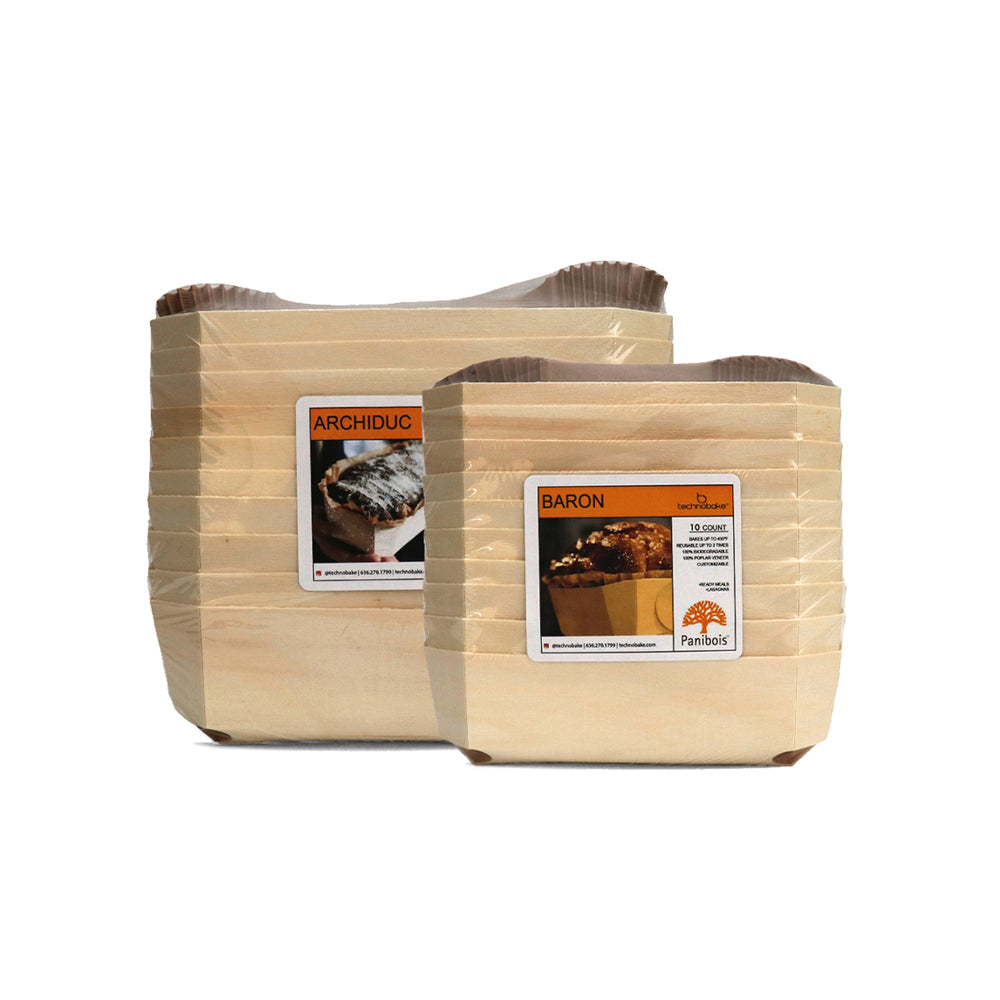
Wood-based molds made from responsibly sourced paper and wood fibers are biodegradable and do not require washing or chemical cleaners. This reduces water use, energy, and detergent consumption.
Cleaning bakeware consumes significant water and energy in commercial kitchens.
Sustainable practices include:
Reducing dishwashing loads through disposable bake-in molds
Improving oven loading efficiency
Avoiding unnecessary re-bakes due to inconsistent results
Planning production to reduce idle oven time
Small operational changes can lead to meaningful reductions in utility usage over time.
Food waste is one of the biggest sustainability challenges in bakeries.
Better planning includes:
Reviewing historical sales data
Baking smaller batches more frequently
Designing flexible product lines
Using molds that support consistent portion control
Consistency helps reduce overproduction and spoilage.
Many customers now look for visible sustainability efforts, especially in specialty food and gift markets.
Natural, rustic presentation styles paired with eco-friendly packaging communicate:
Craftsmanship
Transparency
Environmental responsibility
This is especially important for bakeries selling premium, artisan, and gift-ready products.
Sustainable baking is built on practical, measurable improvements. By reducing packaging waste, choosing biodegradable materials, improving production planning, and limiting water and energy use, bakeries can operate more efficiently while meeting modern sustainability expectations.
Sustainability is not a trend — it is becoming a standard.
Comments will be approved before showing up.
Sign up to get the latest on sales, new releases and more …
Receive exclusive promotions and offers monthly. We will not spam your inbox.