Your Cart is Empty
Sustainability in professional baking is no longer just a trend. Many bakeries, pastry kitchens, and foodservice operations are now under pressure to reduce waste, limit packaging, and improve efficiency while maintaining high product quality.
The challenge is finding solutions that are practical, cost-effective, and compatible with daily production. Sustainable baking does not require a complete operational overhaul — it starts with smarter material choices, better planning, and more efficient workflows.
This guide outlines real, proven sustainability practices that professional bakeries can implement today.
Commercial bakeries generate waste at every stage of production:
Packaging and containers
Baking liners and trays
Cleaning chemicals and water usage
Food waste from overproduction
Reducing this footprint benefits both the environment and the bottom line. Many bakeries find that sustainability improvements also lead to:
Lower material costs
Reduced labor time
Improved workflow efficiency
Stronger brand perception with customers
Packaging is one of the largest contributors to bakery waste. Products are often baked in one container, transferred to another, and then boxed for sale.
Practical ways to reduce packaging waste:
Use bake-and-display formats
Eliminate unnecessary liners and trays
Choose biodegradable or compostable materials
Design products that move directly from oven to shelf
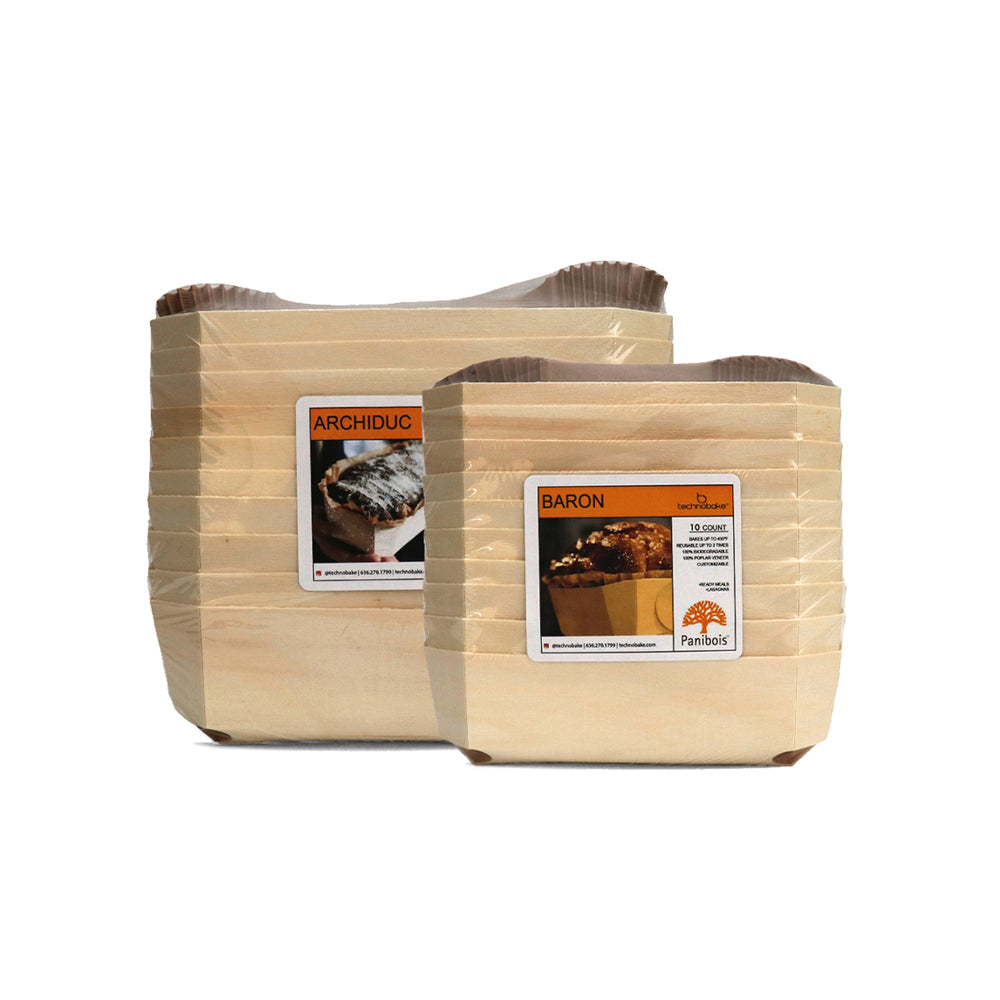
Bake-in molds that double as presentation packaging eliminate multiple handling steps and reduce material usage.
The materials used in baking molds and pans have a major impact on sustainability.
Common baking mold materials include:
Aluminum and steel
Silicone
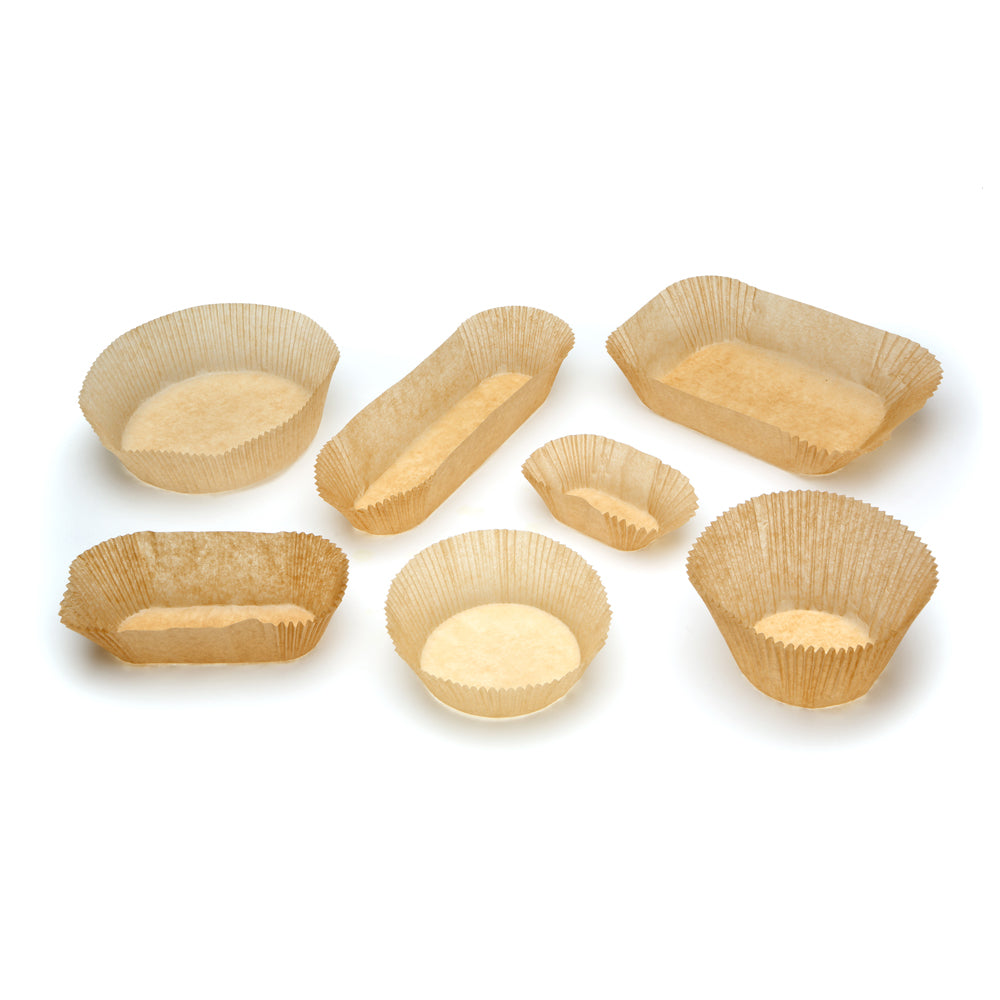
Paper-based and wood-fiber molds
Wood-fiber baking molds made from responsibly sourced materials are biodegradable and designed for single-use baking. Because they do not require washing, they reduce:
Water consumption
Energy usage
Chemical detergent use
This makes them especially effective for high-volume production environments.
Commercial dishwashing is one of the most resource-intensive processes in a bakery.
Sustainable improvements include:
Reducing washable bakeware
Improving oven load efficiency
Avoiding re-bakes caused by inconsistent results
Planning batch schedules to reduce idle oven time
Disposable bake-in molds help eliminate repeated washing cycles while improving production speed.
Food waste is a major sustainability and cost issue for bakeries.
Better production planning includes:
Reviewing weekly sales patterns
Baking smaller, more frequent batches
Using standardized mold sizes
Improving portion control
Consistent baking formats help bakeries predict yield more accurately and reduce unsold inventory.
Customers increasingly value visible sustainability efforts, especially in artisan and specialty markets.
Natural, rustic presentation using biodegradable baking molds:
Signals craftsmanship
Supports eco-friendly branding
Reduces secondary packaging
Improves shelf presentation
Sustainable packaging has become part of the product experience, particularly for gift-ready and premium baked goods.
Sustainable baking is built on practical, measurable improvements. By reducing packaging waste, choosing biodegradable materials, improving production planning, and limiting water and energy use, bakeries can operate more efficiently while meeting modern sustainability expectations.
Sustainability is no longer optional — it is becoming the industry standard.
Comments will be approved before showing up.
Sign up to get the latest on sales, new releases and more …
Receive exclusive promotions and offers monthly. We will not spam your inbox.