Your Cart is Empty
For bakeries selling beyond their own storefront, success depends on more than taste. Retail buyers, distributors, and foodservice operators evaluate products based on consistency, presentation, efficiency, and shelf readiness.
Understanding what these buyers prioritize can help bakeries design products that are easier to sell, easier to display, and more likely to be reordered.
Retail and foodservice buyers need products they can rely on.
They look for:
Inconsistent products create challenges for pricing, display, and customer expectations.
Buyers favor products that require minimal handling once they arrive.
Shelf-ready products:
Baked goods that can move directly from shipping to display have a clear advantage.
Packaging must do more than protect the product — it must support the entire supply chain.
Buyers consider:
Packaging that doubles as display simplifies operations for both the bakery and the buyer.
Flexible products are more attractive to buyers because they can be used in different ways.
Examples include:
This flexibility increases the product’s value to the buyer.
Retail buyers are focused on sell-through. Products that look better tend to sell faster.
Key visual factors:
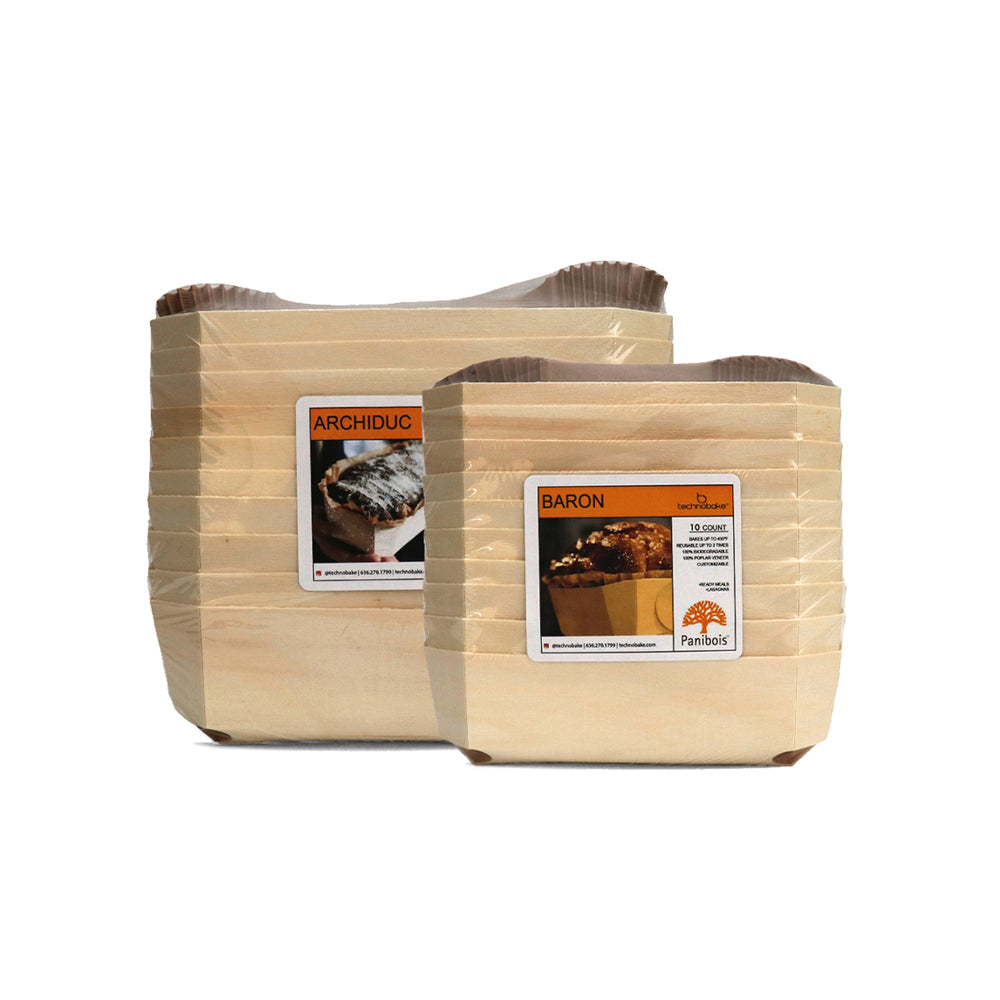
Products baked in structured formats, such as Panibois wooden molds, often maintain their appearance better and stand out on shelves.
Buyers also consider how easy the product is for their team to handle.
They prefer products that:
The easier a product is to manage, the more likely it is to be reordered.
Selling to retail and foodservice buyers requires a shift in perspective. It is not just about making a great product — it is about creating a product that works within someone else’s system.
Bakeries that focus on consistency, presentation, packaging, and operational ease are better positioned to succeed in wholesale and distribution channels.
Comments will be approved before showing up.
Sign up to get the latest on sales, new releases and more …
Receive exclusive promotions and offers monthly. We will not spam your inbox.