Your Cart is Empty
What if the container your food is baked in could also be the container it is served and sold in?
For restaurants, caterers, bakers, specialty food producers, and prepared food retailers, that idea is changing the way businesses think about food presentation.
Traditional baking often involves several steps: bake the product, remove it from the mold, transfer it to another container, package it, and prepare it for sale or service.
Panibois takes a different approach.
Its natural wooden baking molds are designed to accompany the product frompreparation and cooking through presentation and sale, eliminating the need for unnecessary transfers and helping the finished product retain its presentation.
Oven to table is more than a convenient phrase.
It describes a food format where the container becomes part of the finished product experience.
Instead of removing a cake, gratin, bread, or prepared dish from its baking vessel and placing it somewhere else, the Panibois mold can remain with the product through presentation.
That means the customer sees the same natural wooden container that was used during preparation.
There is no separate serving vessel required.
There is no unnecessary transfer.
And there is no need to hide the container once the food is ready to be presented.
Panibois describes this as an important part of the appeal of its molds: the natural wood reinforces the craftsmanship and quality associated with the food itself.
Think about a beautifully prepared gratin.
A specialty bread.
A honey cake.
A savory terrine.
A gourmet individual dessert.
The food may already be excellent, but the container surrounding it can either complement that craftsmanship or make it feel ordinary.
Natural wood creates a different visual experience. It communicates something about the product before the customer takes the first bite.
One of the reasons wooden baking molds are interesting for modern food businesses is their versatility.
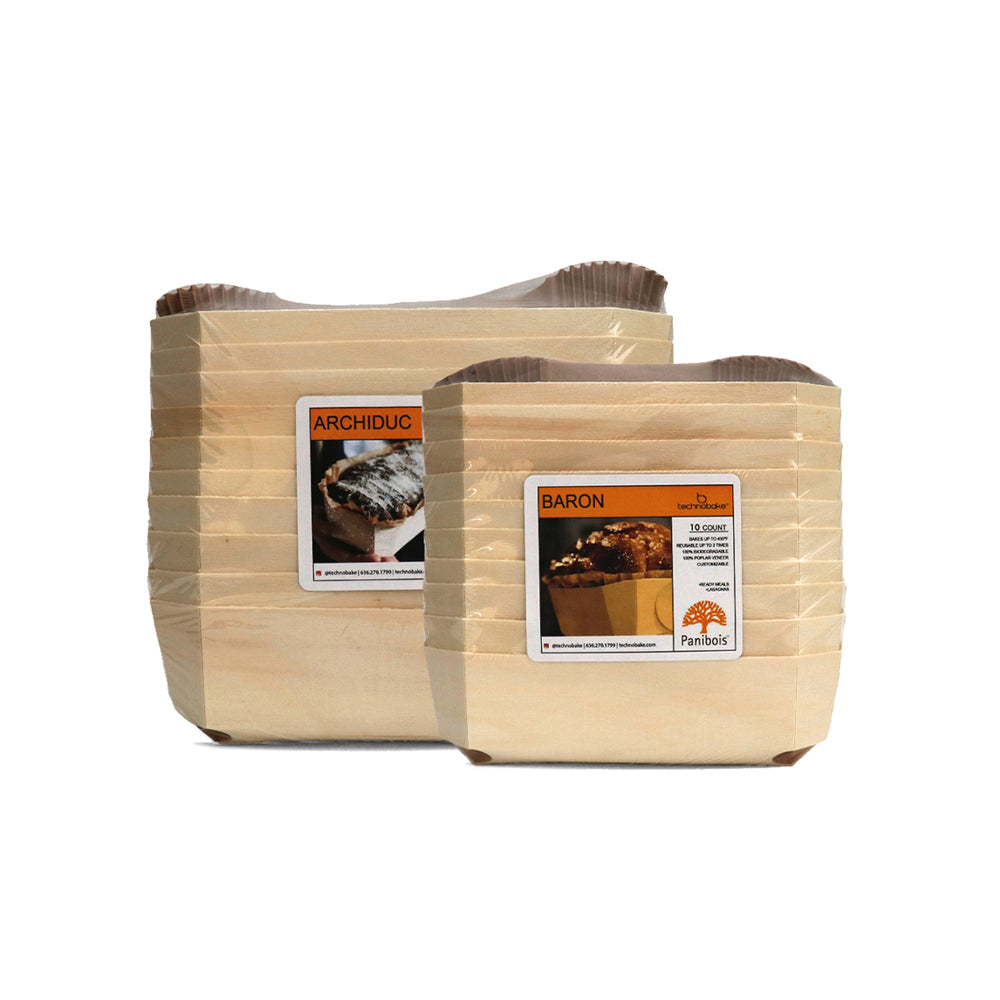
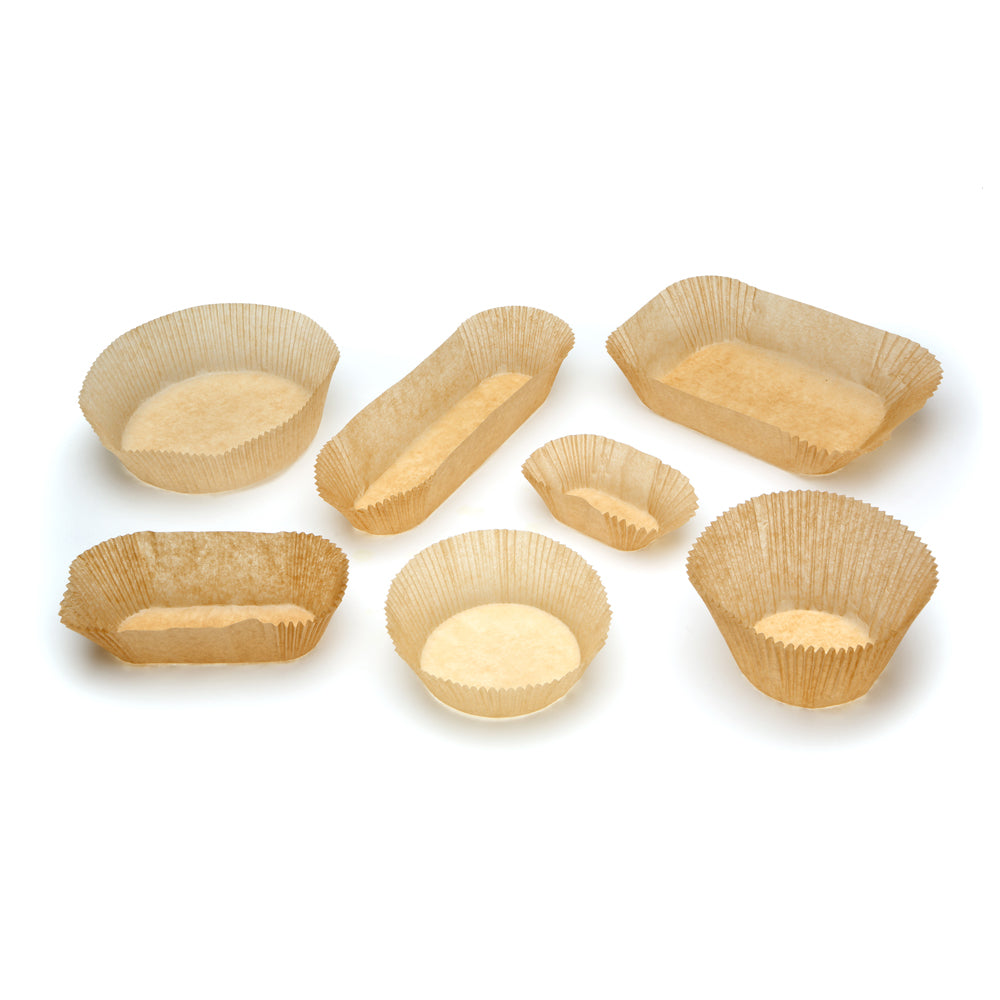
Panibois offers formats designed for products ranging from breads and cakes to savory preparations, individual portions, gratins, terrines, and other prepared foods.
That opens up possibilities well beyond traditional bakery production.
A food business could use wooden formats for:
The format can become part of the product concept rather than simply an afterthought.
Every time a finished product is removed from one container and transferred to another, there is an opportunity for damage.
Panibois highlights reduced handling as one of the advantages of its wooden molds. The mold can accompany the product through cooking, presentation, and sale.
For food businesses, that can simplify the journey from kitchen to customer.
For customers, it means receiving a product that still looks intentionally presented.
That combination is particularly useful for products where appearance matters as much as taste.
Consumers often associate natural wood with craftsmanship, traditional preparation, and homemade quality. Panibois specifically identifies this connection between its wooden molds and the perceived artisanal character of food products.
That makes the material itself part of the story.
A rustic loaf in a wooden mold feels different from a loaf removed from a standard metal pan and placed into generic packaging.
A prepared dish presented in wood can feel more like something made in a chef's kitchen than something pulled from a refrigerated case.
The goal is not to make food look complicated.
It is to make the presentation feel intentional.
One of the most interesting aspects of Panibois is that the wooden mold does not necessarily stop being useful when the customer takes the product home.
Panibois notes that consumers often give the molds additional uses after purchase, including using them as baskets or display containers.
That creates an interesting connection between the food producer and the customer.
The packaging becomes part of the experience rather than something immediately discarded.
The most innovative packaging does not simply answer the question, "How do we contain this food?"
It asks:
How can the container become part of the food itself?
That is where Panibois stands apart.
The mold can contribute to the cooking process, protect the product, enhance presentation, communicate craftsmanship, and accompany the food to the customer.
It is not just packaging.
It is part of the product experience.
Food businesses are constantly looking for ways to create products that feel more authentic, memorable, and distinctive.
Sometimes innovation means developing an entirely new recipe.
Sometimes it means looking at an existing product differently.
A familiar cake, bread, gratin, or prepared dish can take on an entirely different identity when it is baked, presented, and sold in a format designed to showcase the food.
That is the idea behind Panibois.
Bake it. Present it. Share it.
All in one beautiful format.
Comments will be approved before showing up.
Sign up to get the latest on sales, new releases and more …
Receive exclusive promotions and offers monthly. We will not spam your inbox.